



- Cable Protectors
- Corner Guards
- Temporary Barriers
- Speed Bumps
- Wheel Stops
- Traffic Mirrors
- Cones and Fencing
- Permanent Barriers
-
Fire Safety
- Fire Safety Equipment
-
Fire Extinguishers
- CO2 Fire Extinguisher
- Dry Powder Extinguishers
- Water Fire Extinguisher
- Water Additive Extinguisher
- Foam Fire Extinguisher
- Lith-Ex Fire Extinguishers
- P50 Self-Service Fire Extinguishers
- Firexo All Fires Extinguishers
- Wet Chemical Extinguisher
- Clean Gas Fire Extinguisher
- Designer Extinguishers
- Automatic Extinguishers
- Launcher Fire Extinguishers
- Wheeled Fire Extinguishers
- Cold Protected Extinguishers
- Home Fire Extinguisher
- Boat Fire Extinguishers
- Fire Extinguisher Packs
- Fire Blankets
- Intumescent Fire Stopping
- Fire Brigade Equipment
- Fire Hose Reels & Spares
- Extinguisher Stands
- Fire Extinguisher Servicing
- Fire Buckets
- Fire Alarms
- Fire Alarm Systems
- Smoke Alarms
- Extinguisher Box
- Fire Wardens
- Fire Exit Security
- STI Vandalism and Theft Stoppers
- Extinguisher Accessories
- Wall Fixing Brackets
- Fixing Brackets
- Extinguisher Trolleys
- Fire Rated Hatches and Boxes
- Fire Safety Servicing
- Home Safety
- Fire Door Holders
- Ladders
- Torches and Lighting
- Electric Car Charging Safety
- Megaphone
- First Aid Kits
- Car Park Equipment
- Personal Protective Equipment
- Masks
- Fire Safety Packs
-
Fire & Safety Signs
- Fire Safety Signs
- Personal Protection Signs
- No Smoking Signs
- Must Do Signs
- Warning Signs
- Hazard Signs
- Sign Fixing
- Panoramic Signs
- Disabled
- Prohibition Signs
- White Plastic Signs
- Table Top Display Signs
- CCTV Signs
- Door Safety Signs
- Safety Tie Labels
- Health & Safety Posters
- Spill Kits
- Cigarette Bins
- Evacuation Chairs
- Fire Safes
- Anti-Fatigue & Safety Mats
- Tapes and Markers
- Emergency Lighting
- Car Safety Accessories
- Flammable Liquids Storage
First Aid Kits
Items:
1–9 of 9,
per page
Sort by:
Recommended





Featured products


Bestsellers
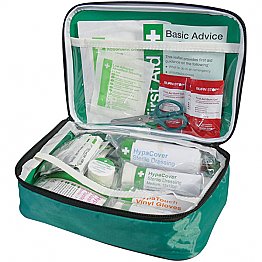
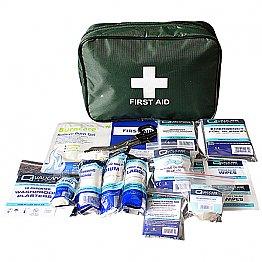
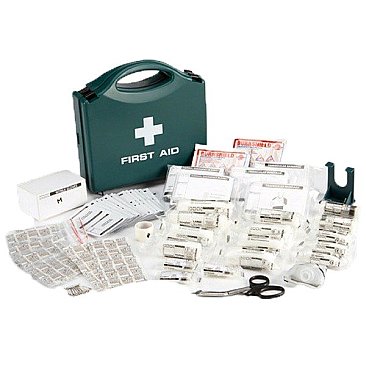
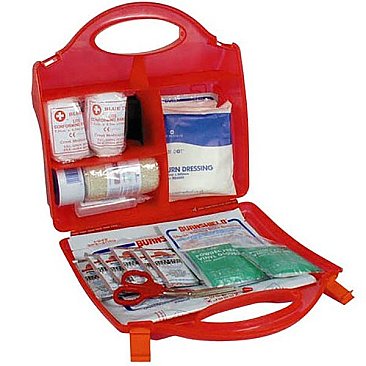
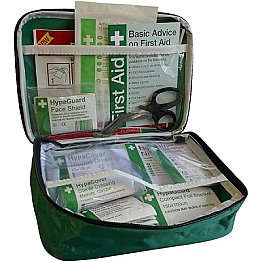
Ensure you're prepared for minor injuries and accidents by maintaining a well-stocked First Aid Kit within convenient locations. These kits contain vital medical supplies and hygiene essentials, providing safety and support during emergencies, whether for self-application or administering aid to others. Kits are useful for business premises, home use, and even car journeys, allowing you peace of mind no matter where you are.
What Should Be In a First Aid Kit?
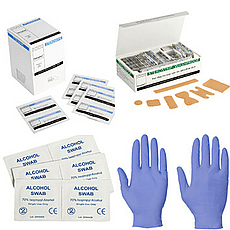
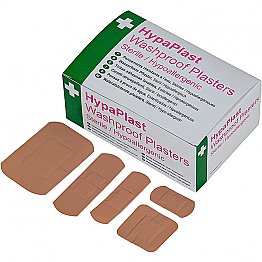
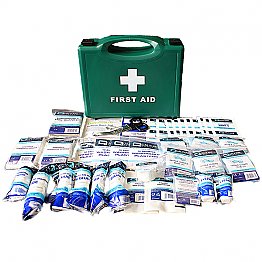
Depending on your needs, First Aid Kits stock various types of supplies, items, and hygiene essentials to quickly and effectively cleanse, bandage, and heal wounds. The minimum requirements outlined by HSE is kits must include: disposable gloves, plasters, eye pads, various-sized dressings, safety pins, and leaflets.
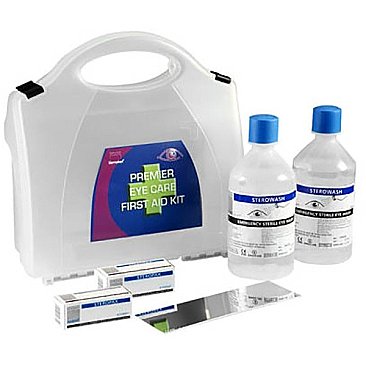
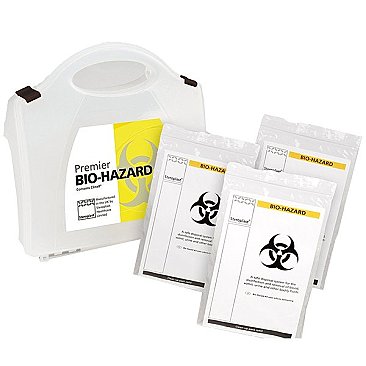
At Simply Safety Group, we offer various safety stock such as First Aid Kits, Burn Kits, Eye Wash Kits, Body Waste Disposal, and First Aid Supplies to address specific injuries and promote swift recovery. Each kit contains essential supplies to quickly address all types of injuries, ensuring you and others have all the necessary items required in the event of emergencies.
What's the Difference between BS and HSE First Aid Kits?
Every workplace, by law, requires HSE-approved First Aid Kits with medical supplies to be on-site, tailored to address commonplace injuries within business premises to keep workers protected. Workplace kits are available in various sizes depending on the size of a business and its team, ensuring that workers have access to essential supplies should minor accidents or injuries occur.
BS Kits are tailored to meet current British Standards and offer a comprehensive range of supplies that expand beyond recommended items. Items such as the BS Motorist First Aid Kit, Personal Issue First Aid Kit, and Catering First Aid Kit feature essential provisions for varied settings, ensuring that users are effectively equipped with handy supplies.