



- Cable Protectors
- Corner Guards
- Temporary Barriers
- Speed Bumps
- Wheel Stops
- Traffic Mirrors
- Cones and Fencing
- Permanent Barriers
-
Fire Safety
- Fire Safety Equipment
-
Fire Extinguishers
- CO2 Fire Extinguisher
- Dry Powder Extinguishers
- Water Fire Extinguisher
- Water Additive Extinguisher
- Foam Fire Extinguisher
- Lith-Ex Fire Extinguishers
- P50 Self-Service Fire Extinguishers
- Firexo All Fires Extinguishers
- Wet Chemical Extinguisher
- Clean Gas Fire Extinguisher
- Designer Extinguishers
- Automatic Extinguishers
- Launcher Fire Extinguishers
- Wheeled Fire Extinguishers
- Cold Protected Extinguishers
- Home Fire Extinguisher
- Boat Fire Extinguishers
- Fire Extinguisher Packs
- Fire Blankets
- Intumescent Fire Stopping
- Fire Brigade Equipment
- Fire Hose Reels & Spares
- Extinguisher Stands
- Fire Extinguisher Servicing
- Fire Buckets
- Fire Alarms
- Fire Alarm Systems
- Smoke Alarms
- Extinguisher Box
- Fire Wardens
- Fire Exit Security
- STI Vandalism and Theft Stoppers
- Extinguisher Accessories
- Wall Fixing Brackets
- Fixing Brackets
- Extinguisher Trolleys
- Fire Rated Hatches and Boxes
- Fire Safety Servicing
- Home Safety
- Fire Door Holders
- Ladders
- Torches and Lighting
- Electric Car Charging Safety
- Megaphone
- First Aid Kits
- Car Park Equipment
- Personal Protective Equipment
- Masks
- Fire Safety Packs
-
Fire & Safety Signs
- Fire Safety Signs
- Personal Protection Signs
- No Smoking Signs
- Must Do Signs
- Warning Signs
- Hazard Signs
- Sign Fixing
- Panoramic Signs
- Disabled
- Prohibition Signs
- White Plastic Signs
- Table Top Display Signs
- CCTV Signs
- Door Safety Signs
- Safety Tie Labels
- Health & Safety Posters
- Spill Kits
- Cigarette Bins
- Evacuation Chairs
- Fire Safes
- Anti-Fatigue & Safety Mats
- Tapes and Markers
- Emergency Lighting
- Car Safety Accessories
- Flammable Liquids Storage
Fire Safety
-
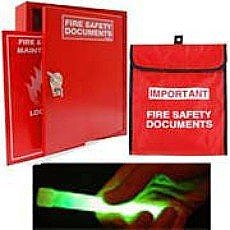 Fire Safety Equipment
-
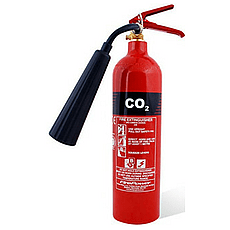 Fire Extinguishers
-
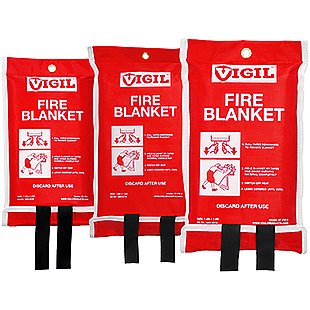 Fire Blankets
-
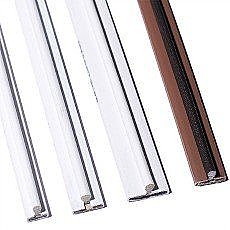 Intumescent Fire Stopping
-
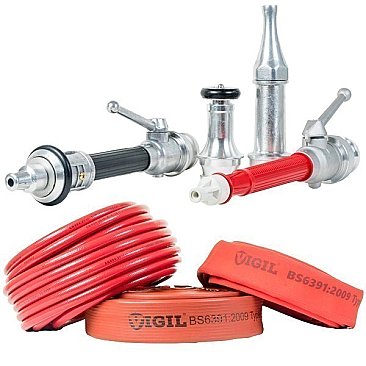 Fire Brigade Equipment
-
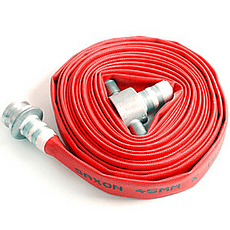 Fire Hose Reels & Spares
-
 Extinguisher Stands
-
 Fire Extinguisher Servicing
-
 Fire Buckets
-
 Fire Alarms
-
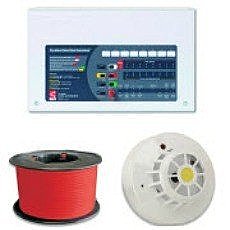 Fire Alarm Systems
-
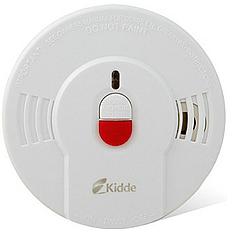 Smoke Alarms
-
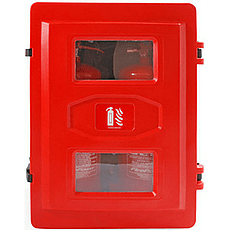 Extinguisher Box
-
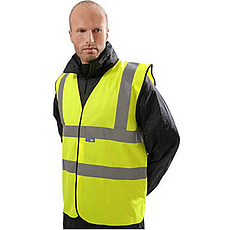 Fire Wardens
-
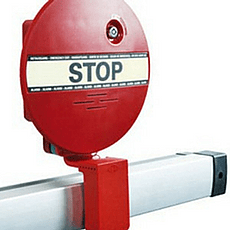 Fire Exit Security
-
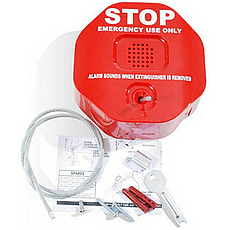 STI Vandalism and Theft Stoppers
-
 Extinguisher Accessories
-
 Wall Fixing Brackets
-
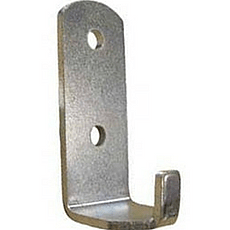 Fixing Brackets
-
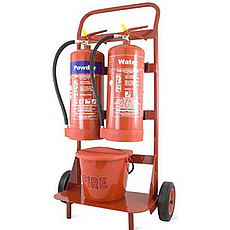 Extinguisher Trolleys
-
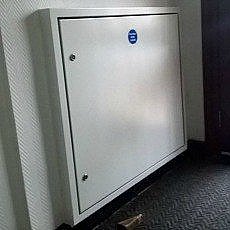 Fire Rated Hatches and Boxes
-
 Fire Safety Servicing
-
 Home Safety
-
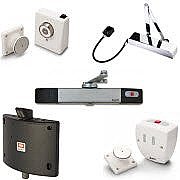 Fire Door Holders


Items:
1–1 of 1,
per page
Sort by:
Recommended

Featured products

Bestsellers

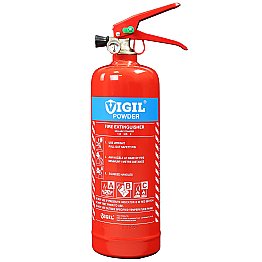
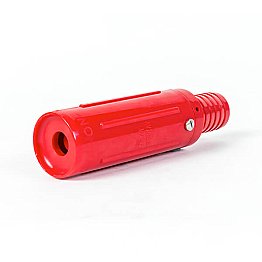
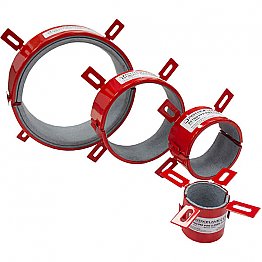
Our wide selection of Fire Safety equipment offers solutions for buildings, places, and outdoor environments looking to upgrade their fire safety precautions and measures, ensuring the protection and well-being of workers, occupants, staff, visitors, and more.
Whether you're seeking fire extinguishers, extinguisher trolleys, professional kits and accessories, or simple fire safety upgrades for your home or business, we stock an extensive range of solutions that protect against the threat of fires.
Who is Responsible for Fire Safety in the Workplace?
Building owners and employers are required by law to correctly equip their buildings with essential fire safety accessories and equipment such as fire extinguishers, fire blankets, fire alarms, fire signage, fire door accessories, and beyond to protect anyone on site against potential fire dangers.
Furthermore, staff and employees must also follow safety procedures and be knowledgeable of fire escape routes to ensure a swift escape in the event of an emergency, and meet at a safe assembly point. Being prepared ahead of emergencies ensures effective defence and safety against fires, allowing peace of mind to all on-site.