



- Cable Protectors
- Corner Guards
- Temporary Barriers
- Speed Bumps
- Wheel Stops
- Traffic Mirrors
- Cones and Fencing
- Permanent Barriers
-
Fire Safety
- Fire Safety Equipment
-
Fire Extinguishers
- CO2 Fire Extinguisher
- Dry Powder Extinguishers
- Water Fire Extinguisher
- Water Additive Extinguisher
- Foam Fire Extinguisher
- Lith-Ex Fire Extinguishers
- P50 Self-Service Fire Extinguishers
- Firexo All Fires Extinguishers
- Wet Chemical Extinguisher
- Clean Gas Fire Extinguisher
- Designer Extinguishers
- Automatic Extinguishers
- Launcher Fire Extinguishers
- Wheeled Fire Extinguishers
- Cold Protected Extinguishers
- Home Fire Extinguisher
- Boat Fire Extinguishers
- Fire Extinguisher Packs
- Fire Blankets
- Intumescent Fire Stopping
- Fire Brigade Equipment
- Fire Hose Reels & Spares
- Extinguisher Stands
- Fire Extinguisher Servicing
- Fire Buckets
- Fire Alarms
- Fire Alarm Systems
- Smoke Alarms
- Extinguisher Box
- Fire Wardens
- Fire Exit Security
- STI Vandalism and Theft Stoppers
- Extinguisher Accessories
- Wall Fixing Brackets
- Fixing Brackets
- Extinguisher Trolleys
- Fire Rated Hatches and Boxes
- Fire Safety Servicing
- Home Safety
- Fire Door Holders
- Ladders
- Torches and Lighting
- Electric Car Charging Safety
- Megaphone
- First Aid Kits
- Car Park Equipment
- Personal Protective Equipment
- Masks
- Fire Safety Packs
-
Fire & Safety Signs
- Fire Safety Signs
- Personal Protection Signs
- No Smoking Signs
- Must Do Signs
- Warning Signs
- Hazard Signs
- Sign Fixing
- Panoramic Signs
- Disabled
- Prohibition Signs
- White Plastic Signs
- Table Top Display Signs
- CCTV Signs
- Door Safety Signs
- Safety Tie Labels
- Health & Safety Posters
- Spill Kits
- Cigarette Bins
- Evacuation Chairs
- Fire Safes
- Anti-Fatigue & Safety Mats
- Tapes and Markers
- Emergency Lighting
- Car Safety Accessories
- Flammable Liquids Storage
Fire Alarm Systems
Bestsellers


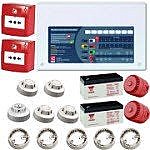
For a fire alarm system which you know won’t let you down when you need it most, it will need to comprise of many different components.
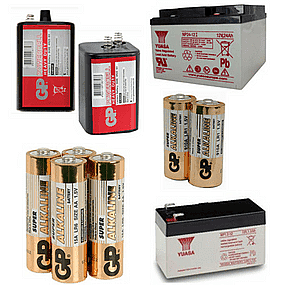
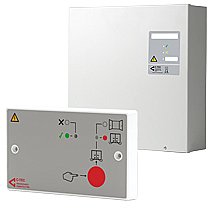
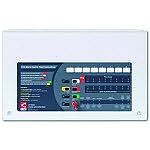
The control panel is the hub where you control the system, and through which all the elements communicate with each other. It should also consist of batteries which will keep the whole system powered if the electric goes off.
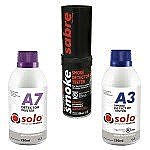
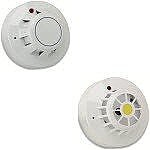
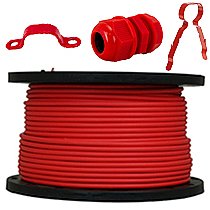
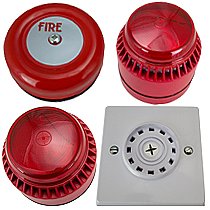
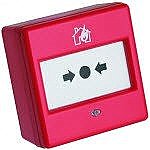
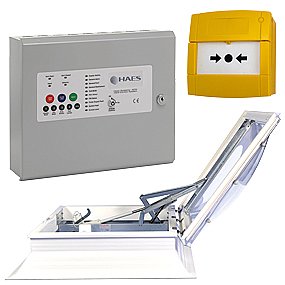
Detectors keep on the lookout for a threat, and call points are on hand to allow people to signal the alarm themselves if they find a fire. This will cause the sounders, bells and beacons to activate and raise the alarm. Plus it will all need joining together with a cable which has fire resisting abilities.
You can find everything you’ll need above.