



- Cable Protectors
- Corner Guards
- Temporary Barriers
- Speed Bumps
- Wheel Stops
- Traffic Mirrors
- Cones and Fencing
- Permanent Barriers
-
Fire Safety
- Fire Safety Equipment
-
Fire Extinguishers
- CO2 Fire Extinguisher
- Dry Powder Extinguishers
- Water Fire Extinguisher
- Water Additive Extinguisher
- Foam Fire Extinguisher
- Lith-Ex Fire Extinguishers
- P50 Self-Service Fire Extinguishers
- Firexo All Fires Extinguishers
- Wet Chemical Extinguisher
- Clean Gas Fire Extinguisher
- Designer Extinguishers
- Automatic Extinguishers
- Launcher Fire Extinguishers
- Wheeled Fire Extinguishers
- Cold Protected Extinguishers
- Home Fire Extinguisher
- Boat Fire Extinguishers
- Fire Extinguisher Packs
- Fire Blankets
- Intumescent Fire Stopping
- Fire Brigade Equipment
- Fire Hose Reels & Spares
- Extinguisher Stands
- Fire Extinguisher Servicing
- Fire Buckets
- Fire Alarms
- Fire Alarm Systems
- Smoke Alarms
- Extinguisher Box
- Fire Wardens
- Fire Exit Security
- STI Vandalism and Theft Stoppers
- Extinguisher Accessories
- Wall Fixing Brackets
- Fixing Brackets
- Extinguisher Trolleys
- Fire Rated Hatches and Boxes
- Fire Safety Servicing
- Home Safety
- Fire Door Holders
- Ladders
- Torches and Lighting
- Electric Car Charging Safety
- Megaphone
- First Aid Kits
- Car Park Equipment
- Personal Protective Equipment
- Masks
- Fire Safety Packs
-
Fire & Safety Signs
- Fire Safety Signs
- Personal Protection Signs
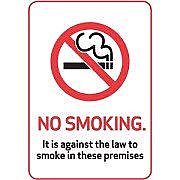
- No Smoking Signs
- Must Do Signs
- Warning Signs
- Hazard Signs
- Sign Fixing
- Panoramic Signs
- Disabled
- Prohibition Signs
- White Plastic Signs
- Table Top Display Signs
- CCTV Signs
- Door Safety Signs
- Safety Tie Labels
- Health & Safety Posters
- Spill Kits
- Cigarette Bins
- Evacuation Chairs
- Fire Safes
- Anti-Fatigue & Safety Mats
- Tapes and Markers
- Emergency Lighting
- Car Safety Accessories
- Flammable Liquids Storage
Fire & Safety Signs




Featured products

Bestsellers
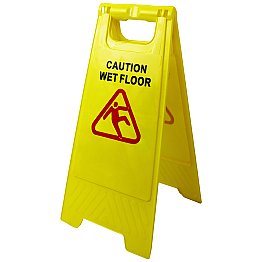
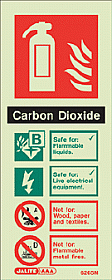


Designed with photoluminescent material which allows signs to glow in the dark, these signs provide round-the-clock safety for all types of buildings. When it comes to signage, quality, clarity, and durability make a huge difference, which is why we only supply the most top-of-the-range items.
Such signs are mandatory by law, such as Fire Safety Signs, to ensure the safety of building occupants in the event of an emergency, however other signs are an effective upgrade .
What Do Safety Signs Mean?
Blue Safety signs indicate specific actions that must be adhered to for the protection and well-being of staff, workers, and professionals. These are placed in strategic locations that warn occupants ahead of dangers to wear specific PPE and perform actions according to 'Must Do' warning signs.
Green safety signs often signify safety directions towards fire exits and escape routes, equipping building occupants and workers with safety awareness, including Assembly Points. Green signage also features First Aid designs to help locate kits and medical supplies easily.
Often, signs will feature ample information relating to site safety, building safety, and more to keep occupants, workers, and visitors informed of safety procedures.
You also have an option of choosing Panoramic Signs which show graphics from multiple angles to increase visibility for users.