



- Cable Protectors
- Corner Guards
- Temporary Barriers
- Speed Bumps
- Wheel Stops
- Traffic Mirrors
- Cones and Fencing
- Permanent Barriers
-
Fire Safety
- Fire Safety Equipment
-
Fire Extinguishers
- CO2 Fire Extinguisher
- Dry Powder Extinguishers
- Water Fire Extinguisher
- Water Additive Extinguisher
- Foam Fire Extinguisher
- Lith-Ex Fire Extinguishers
- P50 Self-Service Fire Extinguishers
- Firexo All Fires Extinguishers
- Wet Chemical Extinguisher
- Clean Gas Fire Extinguisher
- Designer Extinguishers
- Automatic Extinguishers
- Launcher Fire Extinguishers
- Wheeled Fire Extinguishers
- Cold Protected Extinguishers
- Home Fire Extinguisher
- Boat Fire Extinguishers
- Fire Extinguisher Packs
- Fire Blankets
- Intumescent Fire Stopping
- Fire Brigade Equipment
- Fire Hose Reels & Spares
- Extinguisher Stands
- Fire Extinguisher Servicing
- Fire Buckets
- Fire Alarms
- Fire Alarm Systems
- Smoke Alarms
- Extinguisher Box
- Fire Wardens
- Fire Exit Security
- STI Vandalism and Theft Stoppers
- Extinguisher Accessories
- Wall Fixing Brackets
- Fixing Brackets
- Extinguisher Trolleys
- Fire Rated Hatches and Boxes
- Fire Safety Servicing
- Home Safety
- Fire Door Holders
- Ladders
- Torches and Lighting
- Electric Car Charging Safety
- Megaphone
- First Aid Kits
- Car Park Equipment
- Personal Protective Equipment
- Masks
- Fire Safety Packs
-
Fire & Safety Signs
- Fire Safety Signs
- Personal Protection Signs
- No Smoking Signs
- Must Do Signs
- Warning Signs
- Hazard Signs
- Sign Fixing
- Panoramic Signs
- Disabled
- Prohibition Signs
- White Plastic Signs
- Table Top Display Signs
- CCTV Signs
- Door Safety Signs
- Safety Tie Labels
- Health & Safety Posters
- Spill Kits
- Cigarette Bins
- Evacuation Chairs
- Fire Safes
- Anti-Fatigue & Safety Mats
- Tapes and Markers
- Emergency Lighting
- Car Safety Accessories
- Flammable Liquids Storage
Car Safety Accessories

Items:
1–12 of 12,
per page
Sort by:
Recommended






Bestsellers
With our range of car safety accessories, we’ll have you covered for any eventuality, ensuring you and your passengers are always safe on the side of the road. With a lifehammer in your car, you’ll be able to cut your seatbelt and break the door window if you were to find yourself stuck after an accident.
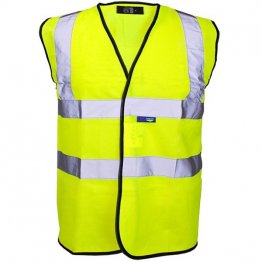
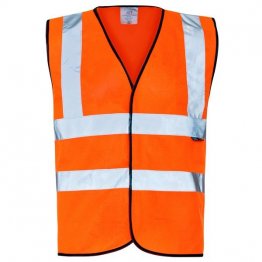
In the event of a breakdown, the roadside triangle will warn other drivers of a hazard and folds own for compact storage in the boot of your car. Also in your car boot should be a foot pump so you’re able to reinflate a car type quickly and easily, as well as bicycle tyres, sports balls and camping accessories. We also have a range of torches and hazard lights which will ensure you can see what you’re up to if you’re on the side of the road at night, as well as hi-vis vests so you’re always visible.
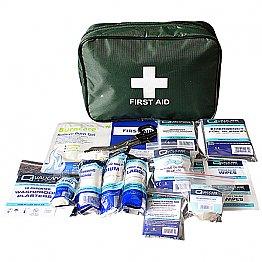
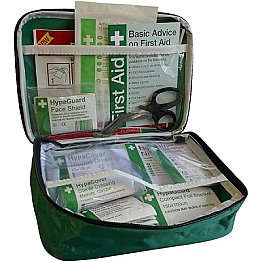
Our range of car fire extinguishers is also a must-have for any car or van to prevent a small fire from escalating out of control. These are best installed in the boot of your car as this will ensure you’re out of the car and safe before tackling the flame. And lastly, don’t forget to have an up to date first aid kit ready in your car so you’re always ready with a plaster.