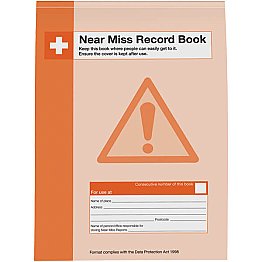
Fire log books and document storage tackle two different paperwork problems. One shows an inspector what you've been doing. The other keeps your originals intact when the building doesn't.
The Record You Have to Keep
Every non-domestic premises has a responsible person under the Regulatory Reform (Fire Safety) Order 2005, and that person has to be able to demonstrate what fire safety checks have been done. A fire log book is how you demonstrate it. Testing dates, service records, drill notes, findings from the last fire risk assessment review, all in one place, ready when the inspector asks.
The alternative is a shared drive folder, a filing cabinet, and someone's memory of when the alarm was last serviced. That works right up until the moment it doesn't.
The Records You Can't Afford to Lose
Fire-resistant document storage protects the paperwork itself. Insurance policies, deeds, share certificates, wills, and any document with a wet signature or seal that can't be recreated from a digital backup. Most business documents you'd survive losing to a fire. A handful of them, you wouldn't.
Match the storage to what you're protecting. A pouch handles passports and a couple of certificates. A document box handles a folder's worth. Beyond that, a fire safe is the right kit.
For advice on either, call the team on 0808 175 4375.
Is a fire log book a legal requirement for my premises under UK law?
Yes, for most commercial premises. The Regulatory Reform (Fire Safety) Order 2005 requires the responsible person to keep records of fire risk assessments, fire drills, equipment inspections, and maintenance activity. While the law doesn't mandate a specific format, a dedicated fire log book is the most practical and inspection-ready way to consolidate all of this in one place.
What records must be included in a fire log book to remain compliant?
At a minimum, your fire log book should record fire risk assessment reviews, fire alarm tests and results, emergency lighting tests, fire extinguisher inspections and servicing dates, fire drill records including dates and outcomes, and any fire-related incidents or near misses. Inspectors will look for evidence that checks are being carried out consistently and on schedule.
Where should fire log books and documents be stored on site?
Fire log books and associated documents should be stored somewhere immediately accessible to the responsible person and any inspecting authority - typically at a fixed location near the main entrance or fire control point. A lockable fire document cabinet or holder keeps everything in one designated place, reduces the risk of loss, and ensures authorised personnel can locate records quickly in an emergency or during an audit.
What happens if my fire log book is lost, damaged, or incomplete before an inspection?
Replace it immediately and reconstruct records as far as possible from service certificates, contractor invoices, and any other documentation you hold. An incomplete log book will be noted by inspectors and could result in an enforcement notice.